
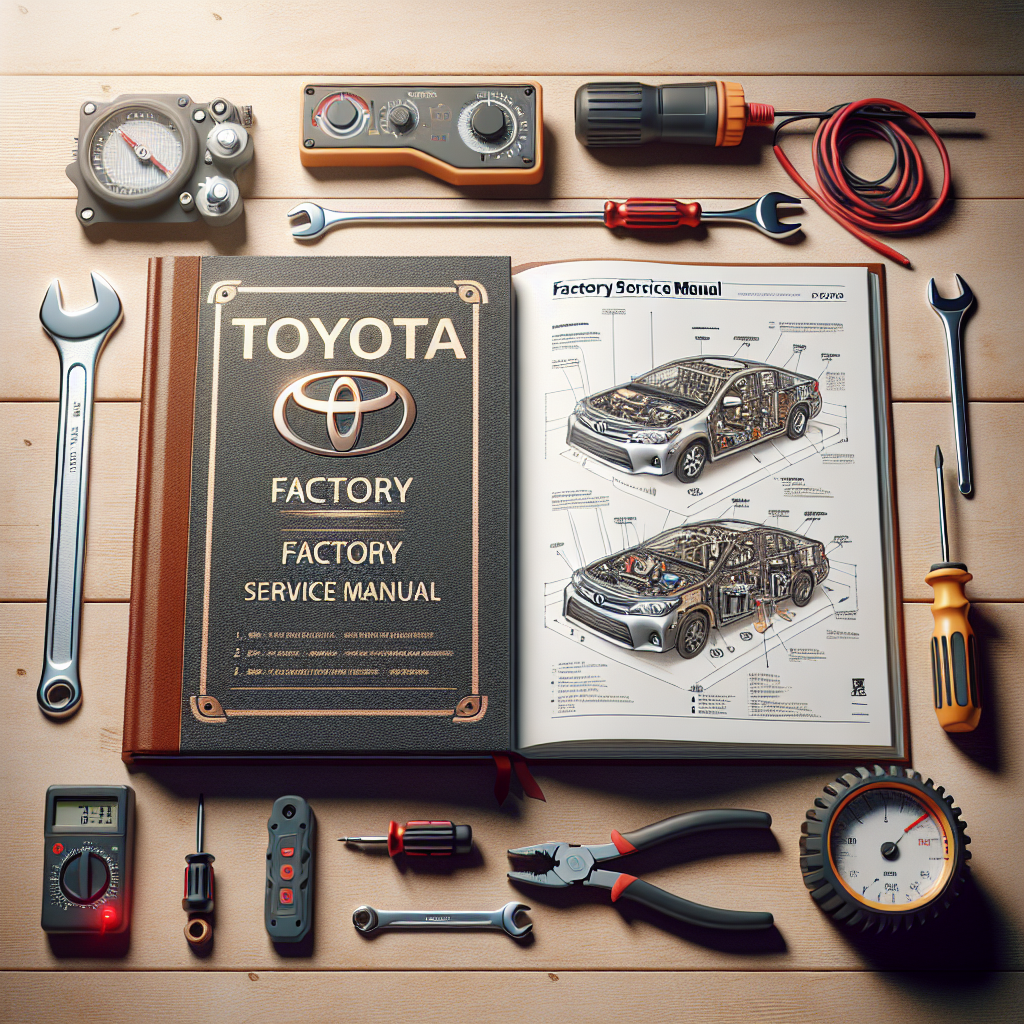
Maintaining and repairing a Toyota vehicle can be a daunting task without the right resources. One indispensable tool for any Toyota owner or mechanic is the factory service manual. This comprehensive guide is essential for ensuring that all service and repair tasks are performed correctly and efficiently. In this article, we will explore the importance of the factory service manual, its key features, common repairs that require it, and the risks associated with skipping this crucial document. For more detailed information, you can visit Toyota Manual.
The Importance of the Factory Service Manual
The factory service manual is a critical resource for anyone looking to maintain or repair a Toyota vehicle. This manual is produced by Toyota and contains detailed instructions, diagrams, and specifications that are tailored specifically to each model. Without this manual, the risk of making errors during repairs is significantly higher, which can lead to further damage and costly fixes.
One of the primary reasons the factory service manual is so important is that it provides the precise procedures and steps for a wide range of service tasks. Whether you are performing a simple oil change or a complex engine rebuild, the manual ensures that you follow the correct sequence of actions, preventing mistakes that could compromise the vehicle’s performance and safety.
Furthermore, the factory service manual includes critical safety information that is not readily available elsewhere. This includes warnings about potential hazards and the proper use of tools and equipment. By adhering to these guidelines, you can minimize the risk of injury and ensure that the repairs are carried out safely.
Another significant aspect of the factory service manual is its role in preserving the vehicle’s warranty. Many manufacturers, including Toyota, stipulate that only authorized procedures outlined in the service manual should be used for repairs. Failure to comply with these guidelines can void the warranty, leaving you financially responsible for any subsequent issues.
Moreover, using the factory service manual can save time and money in the long run. By following the detailed instructions, you can avoid trial and error, which often leads to additional expenses and delays. The manual’s step-by-step approach allows for efficient and accurate repairs, reducing downtime and ensuring that the vehicle is back on the road as quickly as possible.
In summary, the factory service manual is an invaluable tool for maintaining and repairing Toyota vehicles. It provides the necessary information to perform tasks correctly, safely, and efficiently, while also helping to preserve the vehicle’s warranty and value. For further details, you can access the manual at Toyota Manual.
Key Features of Toyota’s Service Manual
Toyota’s factory service manual is packed with features designed to assist both professional mechanics and DIY enthusiasts. One of the most notable features is the comprehensive coverage it offers. The manual includes detailed information on every aspect of the vehicle, from the engine and transmission to the electrical system and bodywork. This all-encompassing approach ensures that no matter what issue you encounter, the manual has the information you need to address it.
Another key feature is the inclusion of detailed diagrams and illustrations. These visual aids are invaluable for understanding complex components and systems. They provide a clear and concise representation of parts and their relationships, making it easier to diagnose and repair issues accurately. The diagrams are often accompanied by step-by-step instructions, which further enhance their usefulness.
The service manual also includes detailed specifications and tolerances for various components. This information is crucial for ensuring that repairs are carried out to the manufacturer’s standards. For example, when replacing engine parts, knowing the exact torque specifications is essential for preventing damage and ensuring optimal performance. The manual provides these details, helping to ensure that every repair is performed correctly.
In addition to repair procedures, the manual includes maintenance schedules and guidelines. These sections outline the recommended intervals for various service tasks, such as oil changes, brake inspections, and fluid replacements. By following these guidelines, you can keep your Toyota in peak condition and avoid costly repairs down the line.
Another valuable feature of the service manual is the troubleshooting section. This section provides diagnostic procedures for identifying and resolving common issues. It often includes flowcharts and checklists that guide you through the process of pinpointing the root cause of a problem. This systematic approach can save time and reduce frustration, making it easier to get your vehicle back on the road.
Finally, the factory service manual is updated regularly to reflect new models and changes in technology. This ensures that you always have access to the most current information and procedures. By using the latest version of the manual, you can be confident that you are following the most up-to-date guidelines for maintaining and repairing your Toyota. For more information, visit Toyota Manual.
Common Repairs Requiring the Manual
There are several common repairs and maintenance tasks that necessitate the use of Toyota’s factory service manual. One of the most frequent is brake system maintenance. Whether you’re replacing brake pads, rotors, or calipers, the manual provides detailed instructions and specifications that ensure the job is done correctly. This includes torque specifications for bolts and guidelines for bleeding the brake system, which are crucial for maintaining braking performance and safety.
Another common repair that requires the factory service manual is timing belt replacement. This task involves precise alignment of the engine’s camshaft and crankshaft, and any deviation can result in significant engine damage. The manual provides step-by-step instructions, complete with diagrams, to guide you through the process. It also includes the necessary torque specifications and timing marks to ensure that the new belt is installed correctly.
Transmission repairs and maintenance are also covered extensively in the factory service manual. Whether you’re performing a fluid change, replacing a clutch, or rebuilding the transmission, the manual provides the detailed procedures and specifications needed to complete the job. This includes information on the proper types of fluids and lubricants, as well as the correct assembly and disassembly procedures.
Electrical system repairs often require the detailed schematics and troubleshooting guides found in the factory service manual. From diagnosing a faulty sensor to repairing wiring harnesses, the manual provides the information needed to identify and fix electrical issues. The inclusion of wiring diagrams and component locations is particularly useful for tracing circuits and pinpointing faults.
Suspension system repairs are another area where the factory service manual is indispensable. Whether you’re replacing shock absorbers, struts, or control arms, the manual provides the necessary torque specifications and alignment procedures. This ensures that the suspension components are installed correctly and that the vehicle’s handling and ride quality are maintained.
Finally, the factory service manual is crucial for engine repairs and rebuilds. Tasks such as replacing head gaskets, pistons, or camshafts require precise measurements and assembly procedures. The manual provides detailed instructions, including torque specifications and assembly sequences, to ensure that the engine is rebuilt to factory standards. For more detailed information on these repairs, visit Toyota Manual.
Risks of Skipping the Factory Service Manual
Skipping the factory service manual when performing repairs on a Toyota vehicle can lead to a host of issues, many of which can be costly and time-consuming to resolve. One of the most immediate risks is the potential for incorrect repairs. Without the detailed instructions and specifications provided in the manual, it’s easy to make mistakes that can compromise the vehicle’s performance and safety. For example, using the wrong torque settings on critical components can lead to premature wear or even catastrophic failure.
Another significant risk is voiding the vehicle’s warranty. Many manufacturers, including Toyota, require that repairs and maintenance be performed according to the procedures outlined in the factory service manual. Failure to adhere to these guidelines can result in the warranty being voided, leaving you financially responsible for any subsequent issues. This is particularly concerning for newer vehicles that are still under warranty and may require costly repairs.
Skipping the factory service manual can also lead to safety hazards. The manual includes important safety warnings and guidelines for using tools and equipment. Ignoring these instructions can result in accidents and injuries. For example, improperly lifting the vehicle or using the wrong type of jack can lead to dangerous situations. By following the manual’s safety guidelines, you can minimize these risks and ensure that repairs are carried out safely.
In addition to safety and warranty concerns, skipping the factory service manual can result in inefficient and time-consuming repairs. The manual’s step-by-step instructions and troubleshooting guides are designed to streamline the repair process. Without these resources, you may find yourself spending extra time and effort trying to diagnose and fix issues. This can lead to increased downtime and frustration, especially if multiple attempts are needed to get the repair right.
Another risk of not using the factory service manual is the potential for additional damage to the vehicle. Incorrectly performed repairs can cause further issues that may not be immediately apparent. For example, improper installation of engine components can lead to internal damage that may not manifest until later. This can result in more extensive and costly repairs down the line, negating any initial savings from skipping the manual.
Finally, not using the factory service manual can impact the resale value of the vehicle. Prospective buyers are often wary of vehicles that have not been maintained according to manufacturer guidelines. Having a documented history of repairs performed according to the factory service manual can provide peace of mind and help maintain the vehicle’s value. For more information on the importance of using the factory service manual, visit Toyota Manual.
In conclusion, the factory service manual is an essential resource for anyone looking to maintain or repair a Toyota vehicle. Its comprehensive coverage, detailed instructions, and critical safety information make it an invaluable tool for ensuring that all tasks are performed correctly and efficiently. Skipping this crucial document can lead to a range of issues, from incorrect repairs and safety hazards to voided warranties and reduced resale value. By utilizing the factory service manual, you can ensure that your Toyota remains in peak condition and avoid costly mistakes. For more detailed information, be sure to visit Toyota Manual.


