When it comes to maintaining and repairing Toyota vehicles, having access to accurate and detailed service manuals is essential. These manuals provide a wealth of information, including electrical and hydraulic schematics that are crucial for diagnosing and fixing issues. Toyota PDF service manuals are comprehensive resources that technicians and vehicle owners can use to ensure their vehicles are in optimal condition. This article will delve into the various aspects of these service manuals, focusing on the importance of electrical and hydraulic schematics and providing guidance on how to navigate these documents effectively.
Overview of Toyota PDF Service Manuals
Toyota PDF service manuals are comprehensive guides that cover every aspect of vehicle maintenance and repair. These manuals are designed for both professional mechanics and DIY enthusiasts who want to understand their vehicles better. They include detailed instructions, diagrams, and specifications for various components and systems within Toyota vehicles. From engine maintenance to electrical troubleshooting, these manuals provide a one-stop solution for all your vehicle servicing needs.
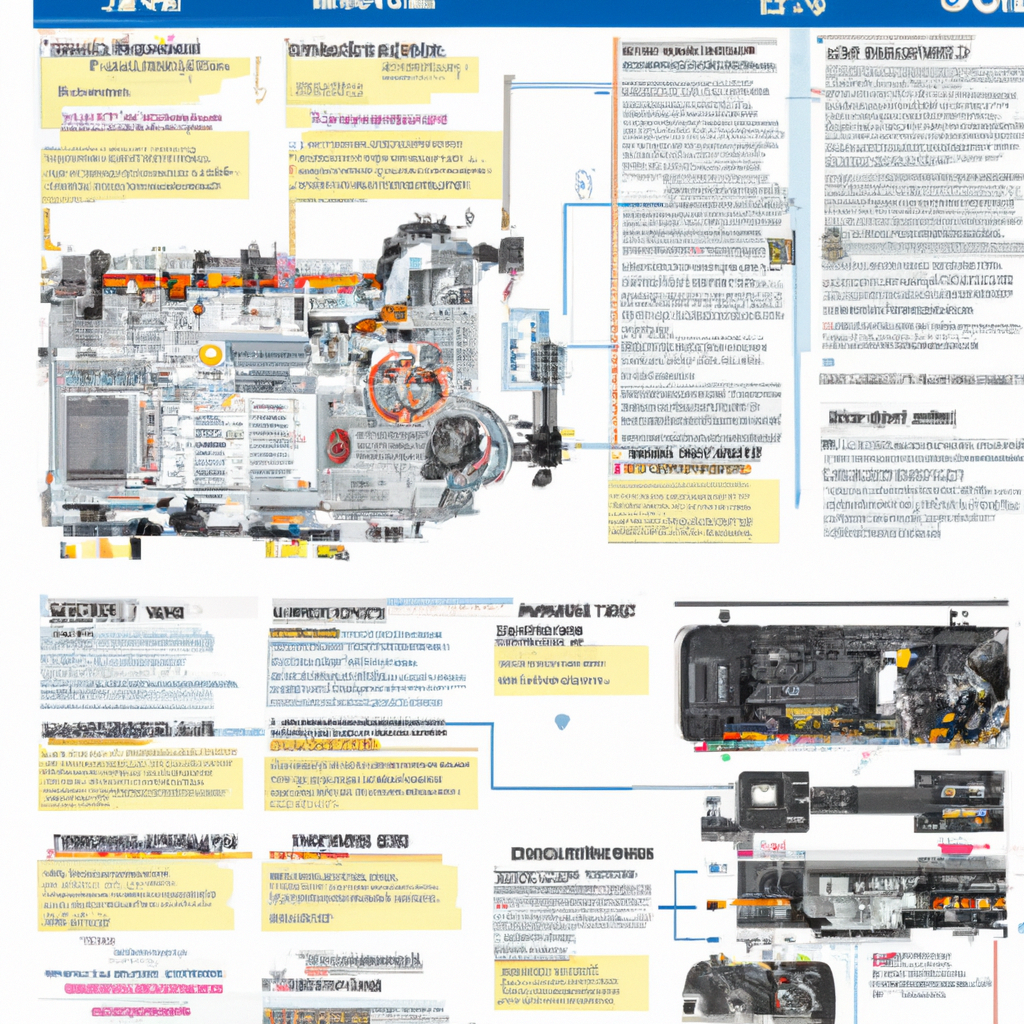
One of the key features of Toyota PDF service manuals is their detailed schematics, which include both electrical and hydraulic diagrams. These schematics are essential for understanding the complex systems within modern vehicles. They provide a visual representation of how different components are connected and how they interact with each other. This makes it easier to diagnose issues and perform repairs accurately.
Another advantage of these PDF manuals is their accessibility. Unlike traditional printed manuals, PDF versions can be easily downloaded and accessed on various devices, including computers, tablets, and smartphones. This means you can have all the information you need at your fingertips, whether you’re in the garage or on the go. You can find these manuals at Toyota Manual.
The manuals are also regularly updated to include the latest information and specifications for new models. This ensures that you always have the most accurate and up-to-date information at your disposal. Whether you’re working on an older model or a brand-new vehicle, you can trust that the information in the Toyota PDF service manuals is current and reliable.
In addition to schematics, these manuals also include step-by-step instructions for various maintenance and repair tasks. This can be particularly helpful for DIY enthusiasts who may not have professional training but still want to perform their own vehicle maintenance. The clear and concise instructions make it easy to follow along and complete tasks correctly.
Finally, Toyota PDF service manuals often include troubleshooting guides that can help you identify and fix common issues. These guides provide a systematic approach to diagnosing problems, which can save you time and frustration. By following the troubleshooting steps, you can pinpoint the root cause of an issue and find the appropriate solution.
Importance of Electrical Schematics in Repairs
Electrical schematics are a vital component of Toyota PDF service manuals, and their importance in vehicle repairs cannot be overstated. These diagrams provide a detailed map of the electrical systems within a vehicle, including the wiring, connectors, fuses, and relays. Understanding these schematics is crucial for diagnosing electrical issues, which can often be complex and difficult to trace.
One of the main reasons electrical schematics are so important is that they allow technicians to see the entire electrical system at a glance. This holistic view makes it easier to understand how different components are interconnected and how electrical signals flow through the system. Without these diagrams, diagnosing electrical problems would be akin to navigating a maze without a map.
Electrical schematics also help in identifying the exact location of components within the vehicle. This is particularly useful when dealing with hidden or hard-to-reach parts. By referring to the schematics, technicians can quickly locate the components they need to inspect or replace, saving valuable time and effort.
Another critical aspect of electrical schematics is that they help in understanding the function of each component within the system. This is essential for diagnosing issues accurately. For example, if a particular circuit is not functioning correctly, the schematics can help identify whether the problem lies with the wiring, a connector, or a specific component like a relay or sensor.
Moreover, electrical schematics are indispensable for ensuring safety during repairs. Working with electrical systems can be hazardous, and incorrect handling can lead to serious injuries or further damage to the vehicle. By following the schematics, technicians can perform repairs safely, ensuring that all connections are made correctly and that the system functions as intended.
Finally, electrical schematics are also a valuable tool for training and education. For new technicians or those unfamiliar with a particular vehicle model, these diagrams provide a clear and detailed introduction to the vehicle’s electrical system. This foundational knowledge is essential for building expertise and confidence in performing electrical repairs.
Hydraulic Schematics: Key Components and Functions
Hydraulic schematics are another crucial part of Toyota PDF service manuals, especially for vehicles equipped with advanced hydraulic systems. These diagrams provide a detailed overview of the hydraulic circuits within the vehicle, including components such as pumps, valves, cylinders, and hoses. Understanding these schematics is essential for diagnosing and repairing hydraulic issues.
One of the key components depicted in hydraulic schematics is the hydraulic pump. The pump is responsible for generating the hydraulic pressure needed to operate various systems within the vehicle, such as the power steering and braking systems. By referring to the schematics, technicians can understand how the pump interacts with other components and how to diagnose issues related to hydraulic pressure.
Valves are another critical component shown in hydraulic schematics. These devices control the flow of hydraulic fluid within the system, directing it to different parts of the vehicle as needed. Understanding the function and location of these valves is essential for diagnosing issues such as fluid leaks or pressure loss. The schematics provide a clear representation of how the valves are connected and how they operate within the system.
Cylinders, which convert hydraulic pressure into mechanical force, are also depicted in hydraulic schematics. These components are essential for various functions within the vehicle, such as lifting, steering, and braking. By studying the schematics, technicians can understand how the cylinders work and how to diagnose issues related to mechanical force and movement.
Hoses and lines, which carry hydraulic fluid throughout the system, are another important aspect of hydraulic schematics. These components are often subject to wear and tear, leading to leaks or blockages. The schematics provide a detailed map of the hose and line routing, making it easier to locate and inspect these components for potential issues.
In addition to individual components, hydraulic schematics also depict the overall layout and flow of the hydraulic system. This holistic view is essential for understanding how the system operates as a whole and for diagnosing issues that may involve multiple components. By referring to the schematics, technicians can trace the flow of hydraulic fluid and identify potential problem areas.
Finally, hydraulic schematics are invaluable for ensuring proper maintenance and repairs. By following the diagrams, technicians can perform tasks such as fluid changes, component replacements, and system flushes correctly and efficiently. This ensures that the hydraulic system remains in optimal condition, providing reliable performance and safety for the vehicle.
Navigating the Toyota PDF for Efficient Use
Navigating a Toyota PDF service manual efficiently is key to making the most of the information it contains. These manuals are packed with detailed diagrams, instructions, and specifications, and knowing how to find the information you need quickly can save a lot of time and effort. Here are some tips for efficiently navigating these comprehensive documents.
First and foremost, familiarize yourself with the table of contents and index. The table of contents provides an overview of the major sections within the manual, such as engine, transmission, electrical, and hydraulic systems. The index, on the other hand, provides a more detailed list of specific topics and components. By using these tools, you can quickly locate the section or topic you need without having to scroll through the entire document.
Another useful feature of Toyota PDF service manuals is the search function. Most PDF readers have a built-in search tool that allows you to find specific words or phrases within the document. This can be particularly helpful when looking for information on a specific component or issue. Simply enter the relevant keyword into the search bar, and the PDF reader will highlight all instances of that word or phrase within the document.
Bookmarks are another handy tool for navigating Toyota PDF service manuals. Many of these manuals come with pre-set bookmarks for major sections, making it easy to jump to the section you need with a single click. If the manual does not have pre-set bookmarks, you can create your own for frequently referenced sections. This can save a lot of time, especially if you often need to refer to the same sections.
Hyperlinks within the document can also aid in navigation. Some Toyota PDF service manuals include hyperlinks that allow you to jump to related sections or diagrams with a single click. This can be particularly useful when cross-referencing information or looking up related components. Be sure to check if your manual includes this feature and make use of it to streamline your navigation.
In addition to these digital tools, it’s also helpful to understand the manual’s layout and structure. Toyota PDF service manuals are typically organized by system and component, with each section containing detailed diagrams, instructions, and specifications. By understanding how the manual is structured, you can quickly locate the information you need without having to search through unrelated sections.
Finally, take advantage of any additional resources provided within the manual. Many Toyota PDF service manuals include troubleshooting guides, maintenance schedules, and technical bulletins. These resources can provide valuable information and guidance for diagnosing and repairing issues. By making full use of these resources, you can ensure that you are performing repairs and maintenance correctly and efficiently.
In conclusion, Toyota PDF service manuals are an invaluable resource for anyone involved in vehicle maintenance and repair. The detailed electrical and hydraulic schematics provided in these manuals are essential for diagnosing and fixing complex issues. By understanding how to navigate these documents efficiently, you can make the most of the information they contain and ensure that your vehicle remains in optimal condition. Whether you’re a professional technician or a DIY enthusiast, these manuals provide the guidance and information you need to perform repairs safely and accurately. For more information and access to these comprehensive manuals, visit Toyota Manual.